
From Comfort Bags to Connection: My Journey with Cradle

A personal beginning
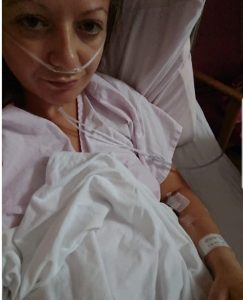
Following my own pregnancy losses, I found myself searching for understanding, support, and a way to navigate a grief that felt impossible to put into words.

Grief like that changes everything — how you see the world, how you see yourself, and how you move through each day.

In August 2019, I began volunteering with Cradle. I started by helping collect donations, then packed and delivered comfort bags to families in hospital, experiencing the unimaginable loss of a baby during pregnancy.

At the time, I never could have imagined how deeply this work would shape both my personal and professional life.

From comfort bags to connection                                                                                    

What began with carefully packing bags filled with thoughtful items for grieving parents soon became something much bigger — connection, community, and compassion in its rawest form.

Over time, I became involved in running Connected, a support space within Cradle. Through this, I have spoken hundreds of people navigating the heartbreak of baby loss.

Each week, I hear moments of grief, love, shock, anger, numbness, hope, and healing.

Some people have joined Connected just days after losing their baby. I still remember the rawness that fills those conversations. I hear the kind of pain that sits heavy in the room because everything is still so fresh.

Even after all these years, that feeling never becomes “normal.” In many ways, I still feel the heartbreak as though it were my own.

I feel incredibly privileged to play even a small part in each person’s story. To witness their heartache, build genuine connections, and feel so deeply alongside them is something I’ll carry with me forever.




Where grief and connection meet

Alongside the pain, I have witnessed something incredibly powerful.

I have watched strangers become a family.
I have seen people arrive feeling completely broken and isolated, only to discover they are not alone.
I have watched laughter exist beside grief, because somehow, in spaces where people feel safe enough to be fully understood, both can coexist.

That is what makes Cradle so important.

It creates space for people to speak openly about a loss that society often struggles to acknowledge. It reminds grieving parents that their baby/babies mattered, their grief matters, and they matter.

The heart of the work

The work Cradle does is not just about practical support, though the comfort bags, hospital supplies, and resources are deeply important.

It is about human connection.

It is about showing up for people during one of the darkest moments of their lives and helping them feel seen, supported, and cared for.

Where I am today

Looking back now, I can see how much this journey has shaped the work I do today.

Working as an Engagement Manager at Cradle allows me to work closely with those who join Connected and with local hospitals to pack and deliver supplies directly to those who need them most.

Every partnership built, every bag delivered, and every conversation held carries the same heart behind it that first drew me to Cradle in 2019: Compassion.

 

What this work has taught me

This work has taught me the importance of empathy, presence, and community.

It has shown me how powerful it can be when people come together to support one another through grief.

Most of all, it has reminded me that even in the deepest pain, nobody should have to feel alone.

And for that, I will always be grateful to be part of the Cradle family.


To find out more please visit; https://cradlecharity.org/


Categories
Uncategorized

Grief and Eating: Why Your Appetite Changes After Loss

Grief doesn’t just affect your emotions, it affects your whole body. And one of the most noticeable (and often confusing) changes can be your relationship with food.

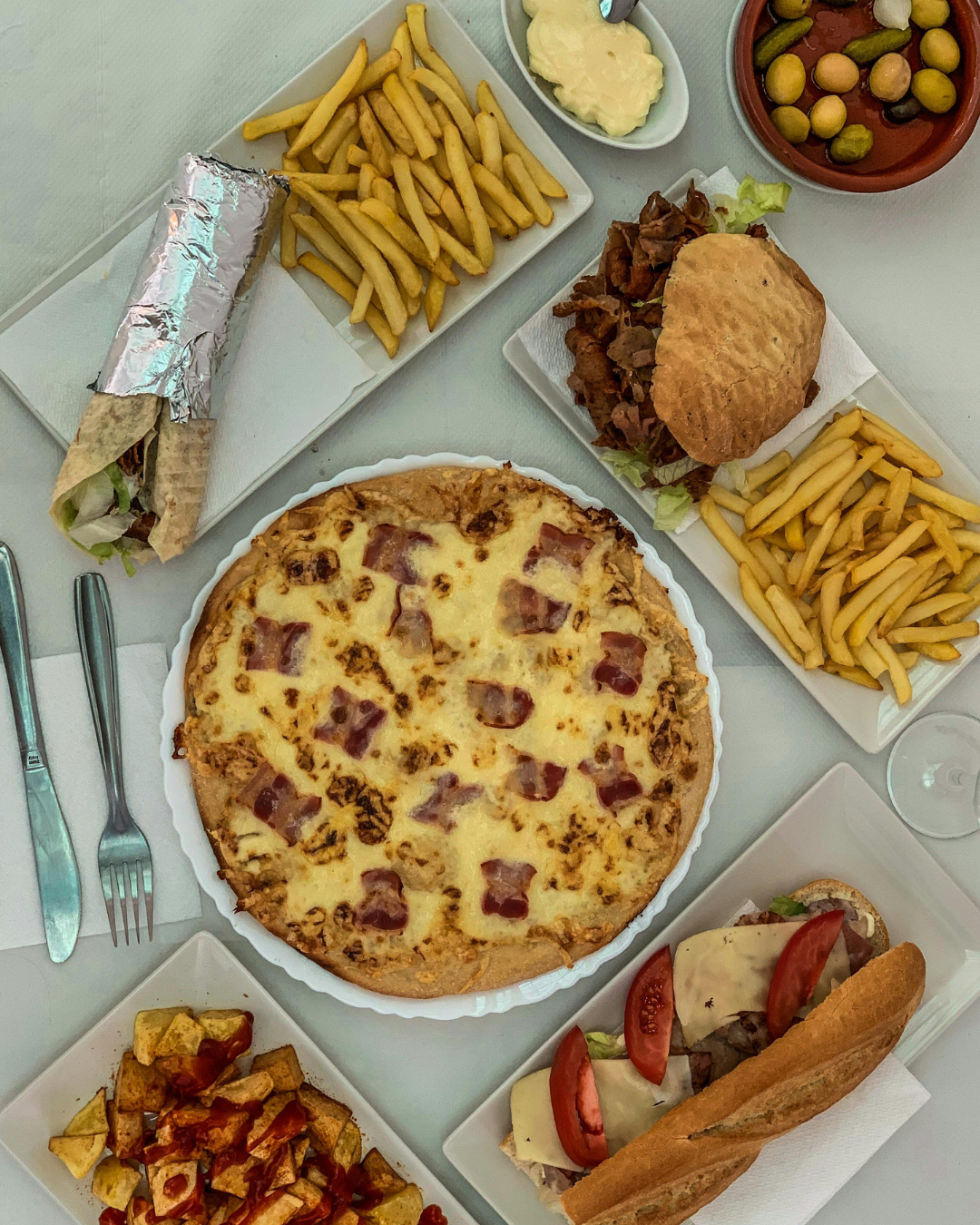
I’ve certainly found this since my Mum died. Some people find themselves eating more than usual, reaching for comfort foods or constantly snacking. Others go the opposite way, losing their appetite completely and struggling to eat even small amounts. I’ve found my diet isn’t as healthy as it once was, and I’m reaching for quick meals with little energy to meal plan or prep.

If this is you, you’re not alone, and you’re not doing anything wrong.

Why grief affects appetite

When you experience loss, your body goes into a stress response. This is a natural, biological reaction designed to help you cope with something overwhelming.

Stress hormones like cortisol can rise, and this can affect people in different ways. For some, it increases cravings, especially for high-energy, sugary, or “comfort” foods – exactly what’s happening for me! These foods can temporarily boost feel-good chemicals in the brain, offering short moments of relief.

For others, that same stress response suppresses hunger. The body essentially goes into a kind of shutdown mode, where eating feels unimportant or even difficult. You might feel nauseous, disconnected from hunger cues, or simply too emotionally drained to think about food.

Grief can also affect brain chemicals like dopamine and serotonin, which play a role in appetite, motivation, and pleasure. That’s part of why food might feel either more comforting than usual or completely unappealing.

There’s no “right” way to respond

It’s easy to judge yourself during grief. Especially if your eating habits change. You might worry you’re overeating, or feel concerned that you’re not eating enough.

But both responses are incredibly common.

Grief isn’t just something you think about, it’s something your body experiences. Changes in appetite are part of that.

Gentle ways to support yourself

Instead of focusing on control or strict routines, it can help to shift your mindset towards care and flexibility.

If you’re eating more:
Try to approach it without guilt. Food might be offering comfort during a time when you need it most. If you can, gently add in foods that help you feel physically nourished too, but without taking away the comfort. For me, adding some fruit and veg alongside meals has really helped.

If you’re eating less:
Keep things simple. Small, regular meals or snacks can feel more manageable than full meals. Soft, easy foods or drinks (like soups, smoothies, or toast) can help when appetite is low.

In both cases:
Think about consistency over perfection. Eating something is better than nothing. And meeting yourself with kindness will always be more helpful than criticism.

A final thought

Grief can feel unpredictable, and so can your appetite. Some days you might feel okay, and others it might feel overwhelming again.

That doesn’t mean you’re going backwards, it means you’re human.

Your body is trying to cope with something deeply painful. The way you eat during this time isn’t a failure of willpower, it’s part of your response to loss.

So if things feel “off,” try to meet yourself with a little more understanding.

You’re carrying a lot. And that deserves care.